Retatrutide Studies: What Held Up? | Retatrutide Dr
How could Retatrutide change hunger, sugar, and fuel use?
Short answer: Retatrutide mimics three gut hormones, including GLP-1. Together, they may change your appetite, blood sugar, and the fuel you burn [6].
A lab image showed Retatrutide touching three spots on cells, one used by each hormone [6]. That proves contact in a lab, but it doesn’t say what you’ll feel.
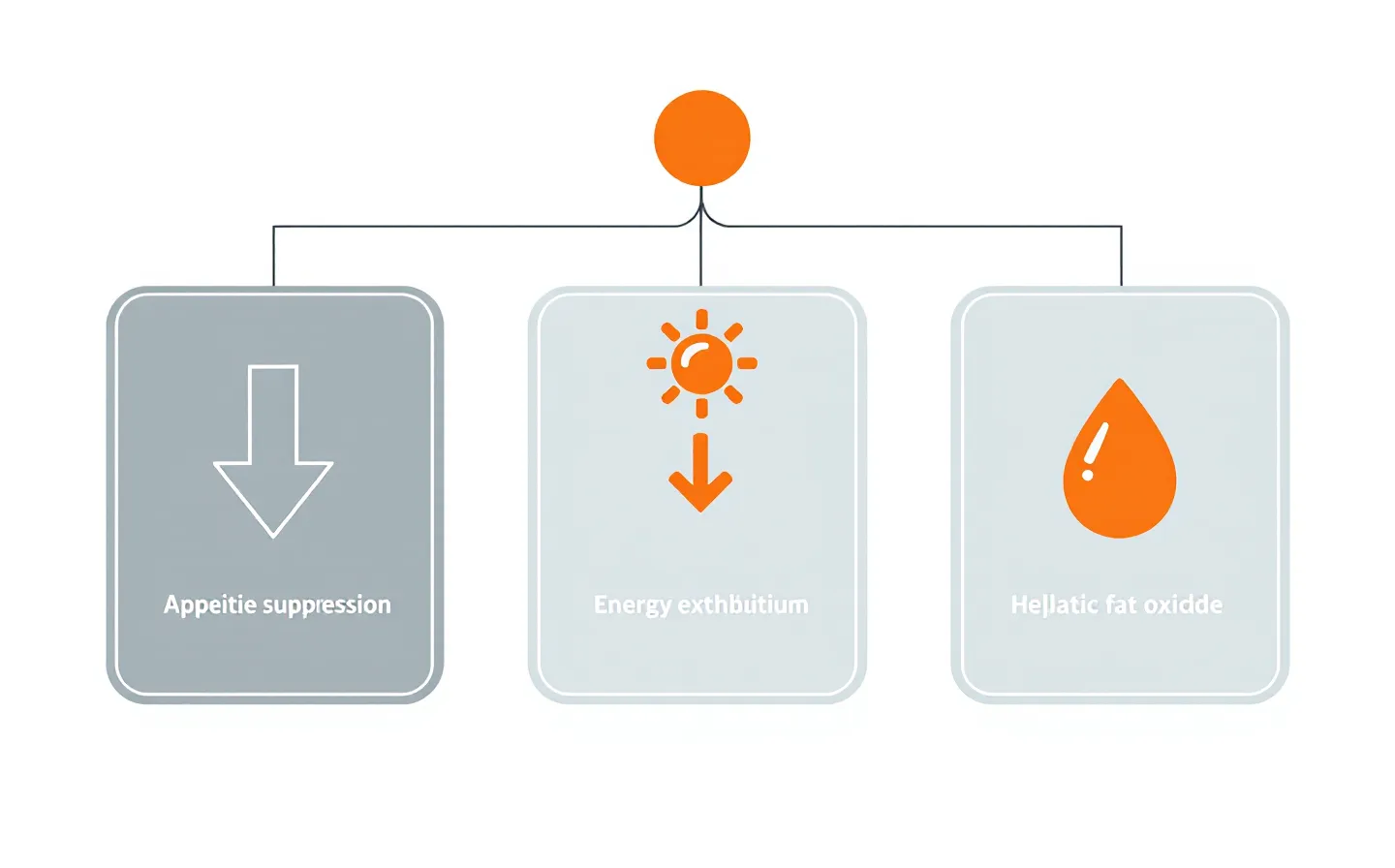
Hunger and the stomach: Drugs that copy GLP-1 may curb your hunger and make your stomach empty more slowly. You may eat less, though your response could differ.
Blood sugar after meals: GLP-1 and a second hormone prompt insulin after food. Phase 2 and Phase 3 studied the full drug, so they can’t separate either share [12].
The liver and body heat: The third hormone may help your liver burn fat. One kind of body fat may make more heat too [12].
The first direct comparison was in animals with obesity, not people. Those animals lost more weight when the drug copied the third hormone too [12].
TRIUMPH-1 didn’t compare two copied hormones with three. Still, Phase 3 found 28.3% average weight loss over 80 weeks [9].
What keeps Retatrutide in the blood for days?
Retatrutide is a chain of small protein pieces. Scientists put fat at the place marked 17, helping the drug ride on a blood protein and remain about 6 days [5][14].
A group of liver helpers called enzymes breaks down many pills, but not Retatrutide. Clashes through those enzymes aren’t expected, though other medicine clashes are still possible [14].
Blood held the most drug 12–72 hours after a shot [14]. That came from a small early study, so your timing could differ.
Tests in cells in a dish found changes tied to all three copied hormones. A dish can’t show how strongly those changes would work in you [14].
Who joined the Retatrutide studies, and what changed?
The work started small, then moved to large weight studies. Phase 1, Phase 2, and Phase 3 asked different questions, while another Phase 2 covered diabetes.
First small study, 2022: People with type 2 diabetes took part for 12 weeks, testing 0.5 mg through 12 mg. The drug had a 6-day half life, and the 9 mg group lost up to 8.96 kilograms more than the placebo group, but that small study can’t forecast your result [5].
Phase 2 weight study, 2023, with 338 people: This Phase 2 study ran 48 weeks and tested 1 mg, 4 mg, 8 mg, and 12 mg. At 12 mg, average loss was 24.2% versus 2.1% with placebo; at the 24-week check, loss ranged from 7.2% at 1 mg to 17.5% at 12 mg, and it hadn’t stopped at 48 weeks [1][2].
Phase 2 diabetes study, 2023, with 281 people: This Phase 2 test ran 36 weeks, used up to 12 mg, and compared with dulaglutide, another weekly diabetes shot. Weight loss reached 16.9%, the usual-blood-sugar test fell 2.02%, and 82% of the top group reached 6.5% or less, though your doctor may set another goal [4].
Small fatty-liver study, 2024, with 98 people: This short study lasted 24 weeks. With 12 mg, liver fat fell 82.4%, and over 85% of the top two groups got below 5%, though you might get another result [7].
Phase 3 TRIUMPH-1, 2026, with 2,339 people: This larger test ran 80 weeks, using 4 mg, 9 mg, or 12 mg. At 12 mg, average loss was 28.3%, or 70.3 lbs; for people with a body mass index of 35 or more, loss reached 30.3%, or 85.0 lbs, by 104 weeks.
All three amounts met the main test of average weight loss. In the 12 mg group, 45.3% lost at least 30%, while 65.3% brought their body mass index, the weight-and-height measure, below 30 [9].
Phase 3 TRIUMPH-4, 2025: The adults all had knee arthritis as well as obesity, and the study lasted 68 weeks. With 12 mg, average weight fell 28.7% and knee pain scores fell 75.8%, but your knee may respond another way [10].
Studies still under way: Two studies are checking weight, heart, and kidney results in people with heart disease. A Phase 3 test against tirzepatide, another drug that copies two gut hormones, also hasn’t reported [21].
What were the main Retatrutide results in Phase 2 and Phase 3?
Weight loss rose with the study amount in Phase 2 and Phase 3. The averages show what happened to groups, not what you’ll lose.
Phase 2 checked weight at 24 weeks and again at 48 weeks. The later check showed whether loss kept going.
Phase 2 ended at 48 weeks. At 1 mg, people had lost 7.2% by 24 weeks.
At 4 mg, loss was 12.9% after 24 weeks. After 24 weeks, the 8 mg group had lost 17.3%.
At 12 mg, loss was 17.5% by 24 weeks and 24.2% by 48 weeks. Placebo loss at those checks was 1.6% and 2.1%.
In the 12 mg group, 83% lost at least 15% [1][2]. You can’t read your result from that group.
Phase 3 TRIUMPH-1 reported at 80 weeks. At 4 mg, average loss was 19.0%.
At 9 mg, average loss was 25.9%. At 12 mg, the 2,339 people averaged 28.3%, or about 70.3 lbs.
Among people with a body mass index of 35 or more, the 12 mg average reached 30.3%, or 85.0 lbs, at 104 weeks. In that 12 mg group, 45.3% lost at least 30%.
Also, 65.3% of those taking 12 mg brought their body mass index below 30 [9]. Even so, the average can’t tell you your loss.
A review combined several fair tests and found greater loss with Retatrutide than placebo. At 12 mg, the chance of losing at least 10% was much higher, and waists shrank 10.51 centimeters [11].
That review also found lower fasting sugar and lower top blood-pressure readings [11]. Another found that 12 mg cut protein leaking into urine by 37% in people with type 2 diabetes, while kidney blood tests improved [18].
Why might Retatrutide copying three hormones matter?
A drug that copies GLP-1 may curb hunger and make your stomach empty more slowly. Copying a second hormone may help insulin rise after food.
Retatrutide copies a third hormone linked to the liver. In animals, it helped body fat make heat while the liver burned fat [12].
The direct test used mice made obese by diet, not people. Those mice lost extra weight by burning more fuel, not by eating less [12].
A 2024 lab image showed one Retatrutide chain touching three cell sites, each used by one hormone [6]. The image shows lab contact, not what you would feel.
Each contact caused a different change inside cells [6]. Those changes may affect insulin, hunger, and body heat, but you wouldn’t feel them as separate steps.
Retatrutide vs tirzepatide: has one study tested both?
No. By mid-2026, no published study had put Retatrutide and tirzepatide, a drug that copies two gut hormones, in the same test.
The direct study still hasn’t reported. The numbers below came from separate groups [13].
In Phase 2, the 12 mg Retatrutide group lost 24.2% on average over 48 weeks. In SURMOUNT-1, 15 mg of tirzepatide brought 20.9% over 72 weeks [13].
In Phase 3, TRIUMPH-1 found 28.3% at 80 weeks with 12 mg of Retatrutide. Tirzepatide’s top Phase 3 weight figure was 22.5% [13].
Animal work links Retatrutide’s third copied hormone with more heat and fuel use in body fat [12]. That might explain some difference, but mice can’t prove why people had unlike results.
The studies used different people and lengths of time. Until the same test gives both drugs, you can’t call either one better.
Have Retatrutide and semaglutide faced the same test?
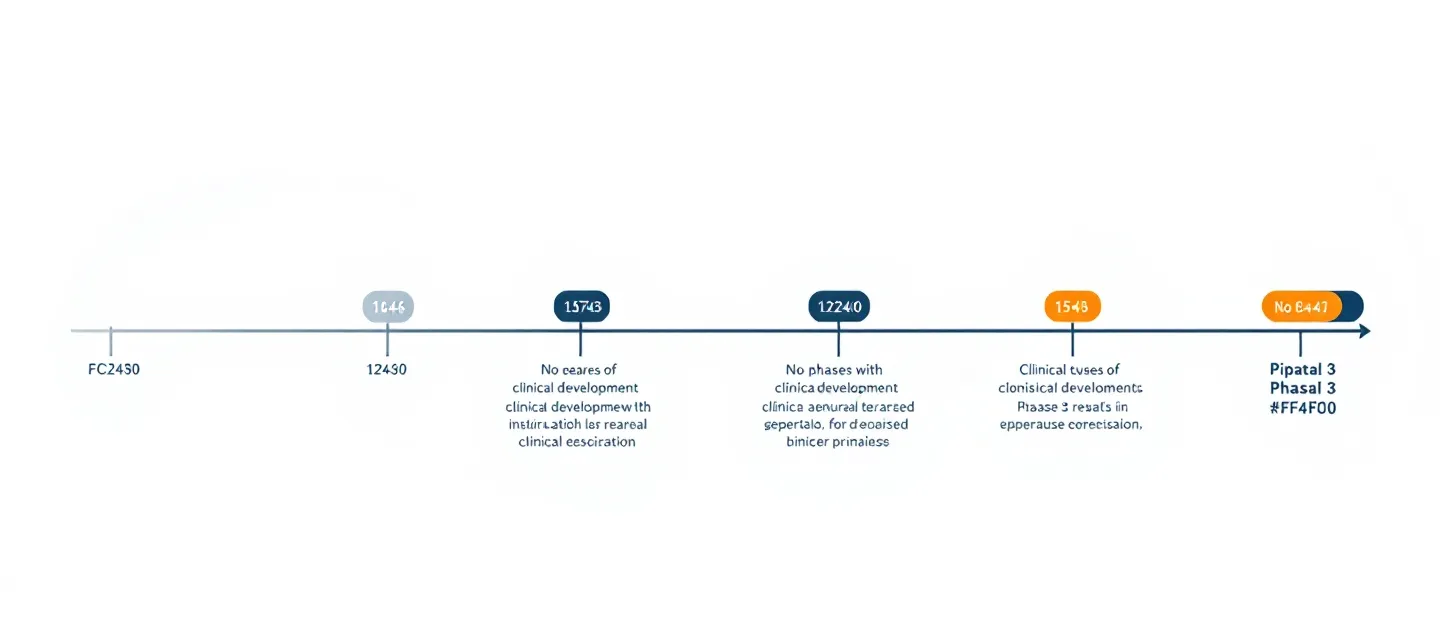
You don’t have one study that tested both drugs. Semaglutide, a drug that copies one gut hormone, brought 14.9% average loss over 68 weeks at 2.4 mg in Phase 3 STEP 1.
Retatrutide brought 24.2% at 48 weeks with 12 mg in Phase 2. Phase 3 later reported 28.3% at 80 weeks [17].
Across several Phase 2 groups, 64% on 12 mg of Retatrutide lost at least 20%, versus 1% on placebo. With semaglutide 2.4 mg in STEP 1, 32% reached that mark [17].
Semaglutide copies GLP-1 alone, while Retatrutide copies three gut hormones. That may change hunger, insulin, and fuel use.
Semaglutide is the standard drug name, not a brand name here. A box may carry a different name.
Because the groups differed, these figures can’t prove which drug works better for you. Read when Retatrutide might be reviewed for timing.
How much belly and liver fat did Retatrutide studies find?
People lost a great deal of fat from the liver and around organs. In Phase 2, the 12 mg group cut liver fat 86.0% over 48 weeks, and 93% got below 5% [15].
A small liver study found an 82.4% drop after 24 weeks. Scans showed a normal liver-fat level in over 85% of the top groups [7].
One blood test, called cytokeratin-18, showed fewer dying liver cells. Another showed less new scar tissue, and both readings fell [7].
Scientists think the third copied hormone helps the liver burn fat. One kind of body fat may make more heat too, but people’s deep belly fat hasn’t been tied to that effect [12].
Phase 2 now covers simple fat buildup and a form with swelling and liver harm. Longer studies must show whether those gains last for you.
Which GLP-1 and other hormone jobs may Retatrutide change?
Retatrutide copies three hormones from the gut, including GLP-1. What those hormones do matters more than their lab names.
After you eat: One hormone prompts your body to make insulin after food. In cell tests, Retatrutide caused the strongest change tied to this hormone [14].
Hunger and the stomach: GLP-1 may curb your hunger and slow your stomach. Its effects can reach the brain, stomach, heart, kidney, and lung [14].
The liver and fuel use: The third hormone can prompt a sugar release from your liver. It may help your liver burn fat and your body make heat [14].
All three contacts caused changes inside cells. A lab image showed each contact, but it couldn’t measure the effect you would feel [6].
Some points of contact were alike, while others differed [6]. That explains why a single drug can mimic all three, not how much you might lose.